
Mahjong for Seniors
AppgenerationBoard
4.64.56K Reviews
- Version
- 5.21
- Installs
- 5.00M
- Age Rating
- Everyone
Screenshots
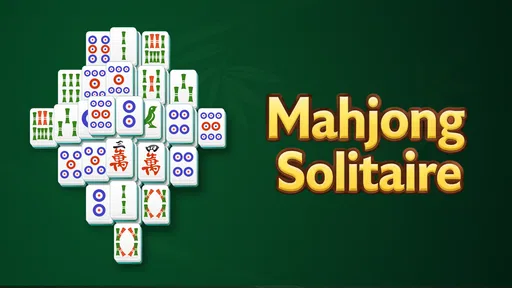
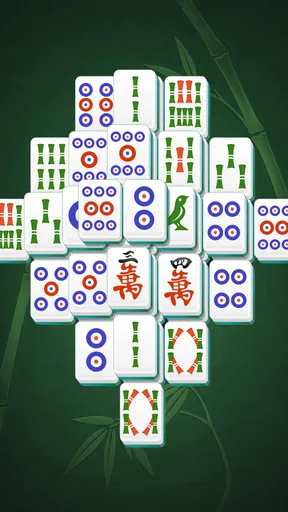
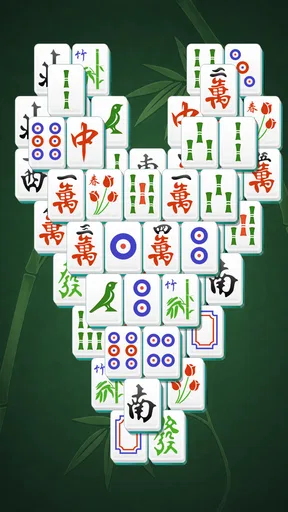
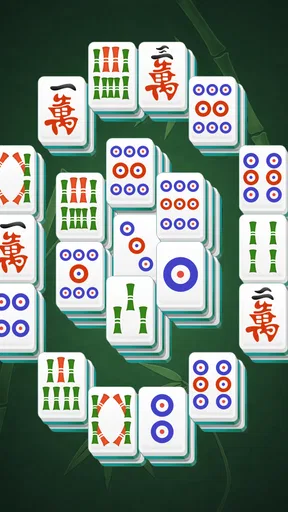
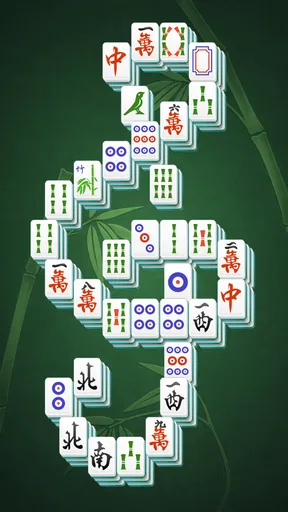
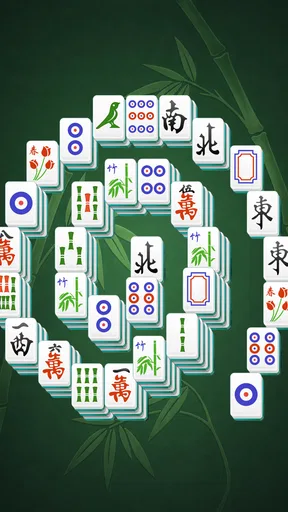
Our Review of Mahjong for Seniors
 Analysis by Appyee
I approached Mahjong for Seniors as the kind of game I could open without preparing for a long session. That turned out to be its clearest strength. This is a free board game from Appgeneration built around tile-matching puzzles, with a calm pace and a very large supply of boards. It is less about competition or complicated rules and more about giving your attention one simple, manageable task at a time.
My overall view is positive, but with an important qualification: this is best when you want a relaxed matching game, not when you want a full traditional mahjong experience or a demanding strategy title. The presentation and name clearly aim at accessibility, and the Everyone age rating fits that approachable design. I found it especially suitable for short breaks, quiet evenings, and players who prefer visual puzzles over timers, battles, or noisy rewards.
Why the simple tile-matching format works so well
The basic appeal is easy to understand. You look across a layout, identify two matching tiles that can be selected, and gradually clear the board. That loop is familiar, but it remains satisfying because every move produces visible progress. I never needed to remember a long rulebook before starting, which makes the game inviting for someone who has not played many mobile board games.
The store summary promises more than ten thousand puzzle boards, and that scale matters in practical use. I did not feel as if I was merely replaying the same handful of arrangements. The large board collection gives the game a useful long-term role: it can sit on a phone or tablet and provide a fresh puzzle whenever I have a few spare minutes.
That quantity is not automatically the same as variety. Mahjong layouts can still feel familiar when the central activity remains matching symbols, and experienced puzzle players may eventually notice recurring patterns. Even so, the number of available boards makes this a much better fit for regular casual play than a small collection that runs out quickly.
The strongest part of the experience is the low mental entry cost. I can start while tired, pause my attention between moves, and return to the board without reconstructing a complicated plan. At the same time, the game is not completely mindless. I still need to scan the layout, recognize symbols, and decide whether taking an obvious pair is sensible or whether another move will open more useful tiles.
That creates a gentle form of concentration. I would not describe it as a serious brain-training program, and I would not use it as a substitute for a broad mental exercise routine. However, the act of checking the board carefully can make a short session feel more purposeful than simply scrolling through a feed.
What I noticed during ordinary play
My favorite way to use it was in small gaps during the day. A short session while waiting for an appointment feels appropriate because the game does not demand rapid reactions or a fixed commitment. When I had more time, I could continue with another board, but I never felt pressured to turn a relaxed puzzle into a marathon.
It also works well as a wind-down activity. The matching task gives my eyes and mind something specific to follow, while the board-game format avoids the constant urgency found in many arcade and competitive titles. For me, that made it easier to stop after a puzzle instead of being pulled into an endless chain of increasingly aggressive challenges.
A useful habit is to scan the whole layout before making the first move. New players often grab the most obvious pair, but a quick survey can reveal that one tile is blocking several others. I found that taking a moment to look for pairs that expose covered or crowded areas made the boards feel more thoughtful without making them stressful.
Another practical tip is to avoid treating every available match as equally valuable. If two pairs are open, I usually choose the one that clears space around a more restricted tile. This small change turns the game from simple symbol recognition into a light planning exercise. It is still accessible, but it rewards patience.
For older players, the central question is visibility. Tile-matching games become frustrating when symbols are too small or layouts are too dense. This title is clearly positioned for seniors, so its accessible intent is one of the main reasons to consider it. I would still recommend trying it on the device that will actually be used, especially if the player prefers a larger screen or has difficulty distinguishing similar tile designs.
A phone is convenient for carrying a quick puzzle everywhere, but a tablet is likely the more comfortable choice for extended sessions. The larger display can make scanning the board less tiring and reduce the need to hold the device close. That is not a reason to reject the phone version; it is simply an important difference in how the same game feels from one screen size to another.
Where the game earns its audience
Appgeneration has chosen a familiar board-game foundation rather than trying to overload the experience with systems that would distract from the puzzle. That restraint is valuable. I did not come to this game for a story, a character collection, or a competitive ranking. I came to clear tiles, and the format stays close to that purpose.
The game is also easy to recommend across age groups. Although the short store description calls it Mahjong for Seniors, the Everyone rating makes it suitable for a broad audience. A parent, grandparent, or casual player can understand the objective quickly, while a younger player may enjoy it as a quiet alternative to faster mobile games.
It could also be useful for someone introducing a relative to mobile gaming. Rather than handing over a complex strategy game with multiple currencies and tutorials, I would start with a board that explains itself visually. The player can learn by trying a pair, seeing the board change, and gradually noticing how access to tiles affects future moves.
That said, I would not call it a social board game. If your idea of mahjong involves playing directly against friends, forming teams, or learning the traditional four-player rules, this is not the right substitute. Its appeal is solitary puzzle solving. Someone looking for conversation, bluffing, competition, or a shared table experience should choose a different kind of game.
The limitations I would consider before installing
The biggest limitation is that the experience can become repetitive for players who need constant novelty. The huge board count helps, but the fundamental action remains the same: find and remove matching tiles. If you prefer games that introduce new mechanics, characters, objectives, or strategic layers, this may feel narrow after the initial comfort wears off.
The title also sets a specific expectation. New players might assume they are downloading a digital version of traditional mahjong, but this is better understood as a solitaire-style mahjong puzzle. That distinction matters. It does not make the game worse, but it changes who will enjoy it. I would explain that difference before recommending it to someone familiar with the tabletop game.
There is also a financial consideration. The game is free to install, while optional in-app purchases range from ninety-nine cents to twelve dollars and ninety-nine cents per item. I appreciate being able to begin without paying, but anyone who wants a completely purchase-free experience should pay attention to how optional offers fit into their routine. For a senior who is not comfortable with mobile purchases, it is sensible to set device-level purchase controls before handing over the phone or tablet.
That point is less about this particular puzzle and more about making the experience comfortable for the intended audience. A relaxed game stops feeling relaxed if the player worries about tapping the wrong button or encountering an unexpected purchase prompt. I would treat those settings as part of the setup, especially when the device is shared with a family member.
The current version is 5.13, and the game has been available since October 30, 2020. Its continued presence, together with a 4.6 average from around eighty-one thousand ratings and more than five million installs, suggests that the format has found a substantial audience. Those figures do not guarantee that every player will like the visual style or pacing, but they do make this feel like an established casual option rather than an obscure experiment.
I would also be careful about the word “relax.” The game can be calming when the board is manageable, but a difficult layout can still create tension. That is not a flaw in itself; a puzzle needs some resistance to stay interesting. It simply means that players seeking a completely passive activity may prefer music, a simple coloring app, or an idle game instead.
How it compares with other ways to play
Compared with a standard solitaire card game, this offers a more visual search task. Solitaire often asks me to think about sequences, suits, and hidden cards, while this game focuses more directly on recognition and access. I would choose the mahjong format when I want a board that feels spatial and tactile rather than a stack of cards.
Compared with traditional mahjong apps, it is much easier to enter because there are no opponents, turns, scoring decisions, or table etiquette to learn. That simplicity is its advantage for casual players, but it is also the reason experienced mahjong players may find it too limited. If your goal is to practice the real game, look for an app centered on rules, hands, and multiplayer play instead.
Compared with match-three games, the pace is noticeably more deliberate. Match-three titles often depend on quick combinations, special pieces, and escalating obstacles. Here, I spend more time studying the board before committing. I would recommend this one to someone who dislikes reflex pressure but still wants a puzzle with a clear objective.
Compared with crossword or word games, it removes the need for language knowledge. That makes it a friendly option for players who are not confident with spelling or who simply want a visual challenge. On the other hand, people who enjoy learning facts, building vocabulary, or solving clues will probably find it less intellectually varied.
Who should choose it, and who should skip it
I think it is a strong match for seniors and other casual players who want an accessible board puzzle with a gentle rhythm. It is also a good choice for anyone who enjoys organizing visual information, prefers solo play, and wants a large backlog of boards rather than a short campaign.
I would recommend it to a family member who says mobile games are too complicated, provided the screen is comfortable to read. The first session can be as simple as learning to identify a pair, and the player can gradually develop better scanning habits. The lack of a required competitive mindset is particularly helpful for someone who feels uncomfortable losing against other people.
I would skip it if you need real-time multiplayer, traditional mahjong rules, a story-driven progression system, or a constantly changing set of mechanics. I would also look elsewhere if you dislike repeating a core puzzle format, even when the layouts change. The large supply of boards extends the experience, but it does not transform the game into a different genre.
For someone sensitive to visual clutter, I would make the device choice part of the decision. A larger screen may be more suitable than a small phone, and a trial session is more informative than relying on the title alone. The game’s senior-friendly positioning is encouraging, but comfort depends on the player, the display, and how easily the tiles can be distinguished.
My final recommendation
After spending time with it, I see Mahjong for Seniors as a focused, dependable casual puzzle rather than an ambitious all-purpose game. Its value comes from doing one thing clearly: offering solitary tile-matching boards that are easy to start and pleasant to revisit. The free entry point and broad Everyone rating make it approachable, while the extensive board collection gives regular players a reason to keep it installed.
Its weaknesses are equally clear. The format can feel repetitive, it should not be confused with traditional mahjong, and optional purchases mean that families may want to review purchase settings. Players who want social competition or rapid variety will probably be happier elsewhere.
For me, the deciding question is simple: do you want a quiet visual puzzle that fits into ordinary breaks? If yes, this is an easy recommendation, especially on a comfortable-sized screen. Its best quality is not complexity but calm, repeatable usability. I would install it for a parent, grandparent, or friend who enjoys gentle challenges, while choosing another game for anyone seeking a richer strategy system or a true mahjong table.
Privacy and Permissions
See what permissions an app requests and how it handles your data.
- Location
- approximate location (network-based)
- Photos/Media/Files
- read the contents of your USB storage, modify or delete the contents of your USB storage
- Storage
- read the contents of your USB storage, modify or delete the contents of your USB storage
- Wi-Fi connection information
- view Wi-Fi connections
- Other
- view network connections, pair with Bluetooth devices, access Bluetooth settings, connect and disconnect from Wi-Fi, full network access, control vibration, prevent device from sleeping, Google Play license check, read Google service configuration
Verdict
Strengths of Mahjong for Seniors
- Large tiles and clear visuals improve readability for older players.
- Relaxed gameplay offers a calming way to exercise memory and concentration.
- Simple controls make it easy to play without prior mobile gaming experience.
- Multiple layouts provide variety and help prevent the experience from feeling repetitive.
- Offline play is convenient for travel or areas with limited internet access.
Limitations of Mahjong for Seniors
- Some players may find the pace too slow or the gameplay lacking in challenge.
- Small interface buttons outside the board can still be difficult to tap accurately.
- Ads may interrupt sessions, depending on the version and device.
- Limited customization may not suit users wanting different tile styles or backgrounds.
- Long sessions can cause eye strain despite the senior-friendly design.
Other Releases by Appgeneration
View All
Trivia Game - IQ Quiz Test
Trivia4.6

Bible Trivia and Word Games
Word4.9
Similar Picks in This Category
View All
Ludo King®
Gametion4.1

Ludo
Yarsa Games4.6

Tile Master® - Matching Game
Higgs Studio3.6

Checkers Online
CC Games4.6

Dominoes
Loop Games4.7

Chess
Chess Prince4.6
Frequently Asked Questions
What is Mahjong for Seniors, and who is it designed for?
Mahjong for Seniors is a tile-matching puzzle game designed with older adults and casual players in mind. It generally uses traditional mahjong-style tiles arranged in layouts that players clear by matching identical, available pairs. The game is suitable for people who want a relaxing mental activity, although beginners should remember that the rules are based on matching tiles rather than playing the traditional four-player version of mahjong.
Is Mahjong for Seniors easy to play for people with limited vision or dexterity?
The game is intended to offer a comfortable experience for senior players, usually featuring simple controls, clear tile layouts, and an uncomplicated tap-to-match system. Before downloading, it is worth checking the current screenshots and device requirements because text size, contrast, tile design, and button spacing can vary between versions. Players may also benefit from using a larger screen or adjusting their device’s accessibility settings.
Does Mahjong for Seniors require an internet connection?
Many tile-matching levels can often be played offline once the application has been installed, which makes this type of game convenient for travel or areas with unreliable internet access. However, features such as advertisements, daily challenges, cloud saving, updates, leaderboards, or in-app purchases may require a connection. Check the store listing and test the game in airplane mode if offline access is important to you.
Is Mahjong for Seniors free to download, and does it contain advertisements or purchases?
The application may be available as a free download, but free versions commonly include advertising, optional purchases, or both. Advertisements can appear between levels or when using hints, while paid options may remove ads or provide additional layouts and features. Review the Google Play or App Store pricing details before installing, and use parental or purchase restrictions if the device is shared with someone who may tap buying options accidentally.
Does playing Mahjong for Seniors improve memory or provide cognitive benefits?
Matching games such as Mahjong for Seniors can encourage concentration, visual recognition, pattern awareness, and short-term memory while providing a calm way to stay mentally active. Nevertheless, the application should be viewed as entertainment rather than a medical treatment or guaranteed cognitive-training program. Results vary from person to person, so it is best enjoyed regularly and comfortably without treating game performance as a measure of health or intelligence.
Play our best games!


